


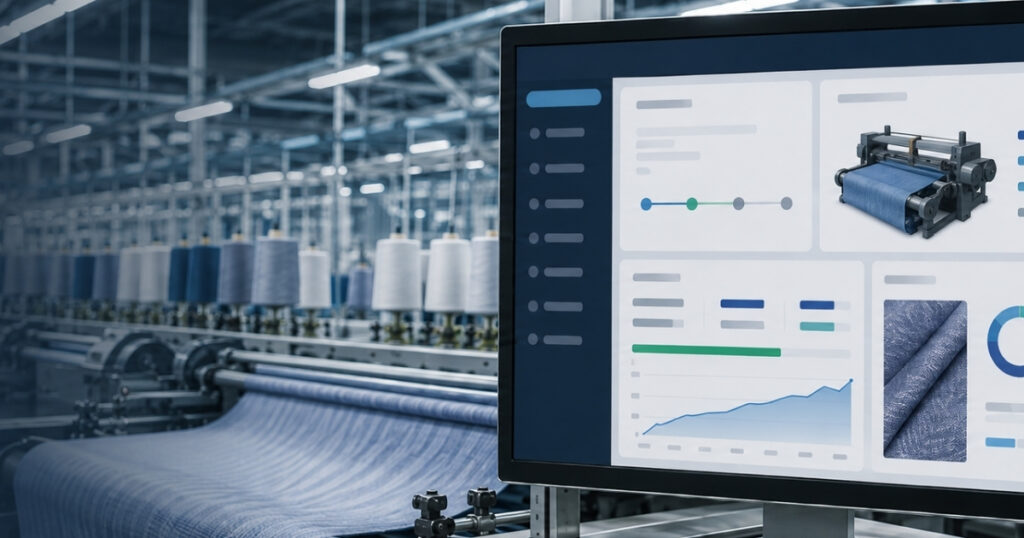
Textile MES Case Studies
EXC-MES × AGV/AMR × Equipment Connectivity
Improve Production Visibility and Quality Traceability
Connect production orders, quality, and equipment data
for greater visibility and traceability across textile manufacturing.
TEXTILE MANUFACTURING CHALLENGES & SOLUTIONS
Textile MES Implementation:
Integrating Production, Quality, and Equipment Data
With growing product variety and faster order changes, Excellent MES (EXC-MES) integrates production, quality, and equipment data to improve production visibility and operational efficiency.
Textile Manufacturing Challenges
- Limited visibility into WIP and production progress
- Fragmented production and quality data
- Limited quality traceability and exception tracking
- Heavy reliance on manual material handling and equipment operation
EXC-MES Integrated Solutions
- Real-time WIP and order visibility
- Integration of production, quality, and ERP data
- Quality traceability and real-time alerts
- Integration with equipment and automation systems
KEY RESULTS
Implementation Benefits
Selected results from these textile manufacturing cases demonstrate measurable improvements in automation efficiency and OEE.
88
%
Improvement in Automated Operation Efficiency
9
%
Increase in OEE
CASE STUDIES
Smart Manufacturing Success Stories in the Textile Industry
From production management and automated material handling to equipment connectivity and energy monitoring, these textile manufacturing cases demonstrate the real-world benefits of digitalization and automation.
CASE 01
Everest Textile | AGV × 5G for Smart Logistics
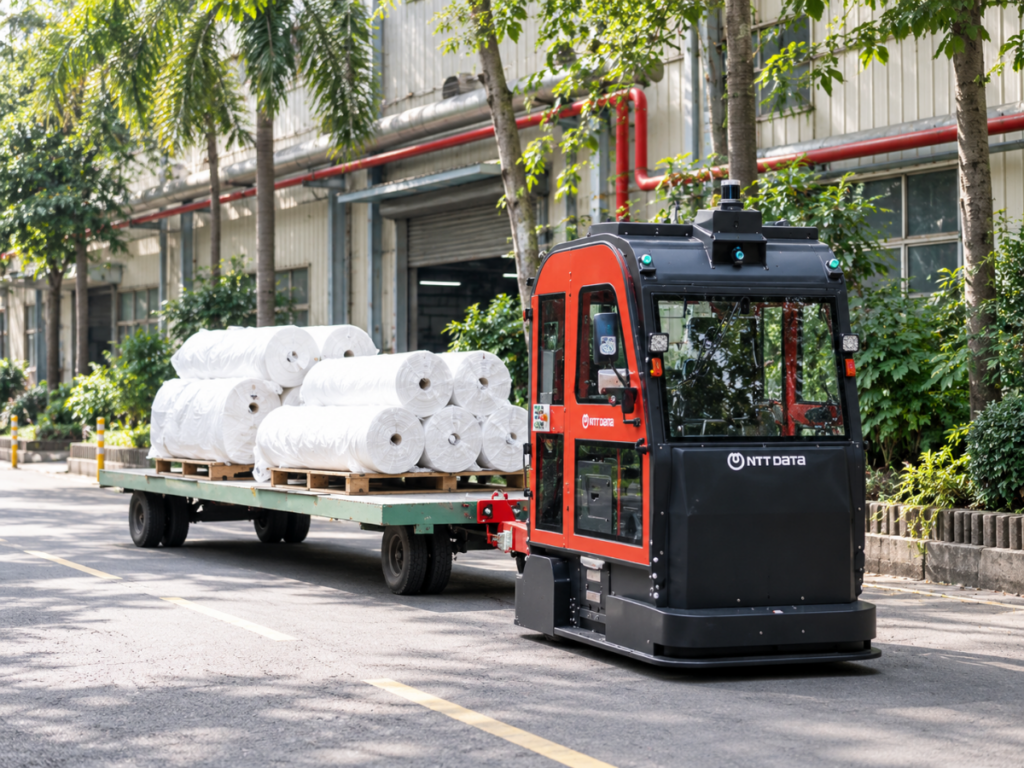
NTT DATA implemented an AGV-based unmanned material handling system for Everest Textile, integrating 5G communication with existing systems. The solution supports Everest Textile’s ongoing smart manufacturing and sustainability initiatives.

Solution
- Implemented an AGV-based unmanned material handling system with 5G connectivity and integration with existing systems
- Optimized dispatching algorithms and vehicle routing to reduce manual intervention

Benefits

NT$2.9 Million
Annual Cost Savings
Reduced material handling manpower and forklift maintenance costs

35 Metric Tons
Annual Carbon Reduction
Replaced diesel forklifts with electric AGVs
CASE 02
EXC-MES Production Management | Integrating Production, Quality, and Cost Data
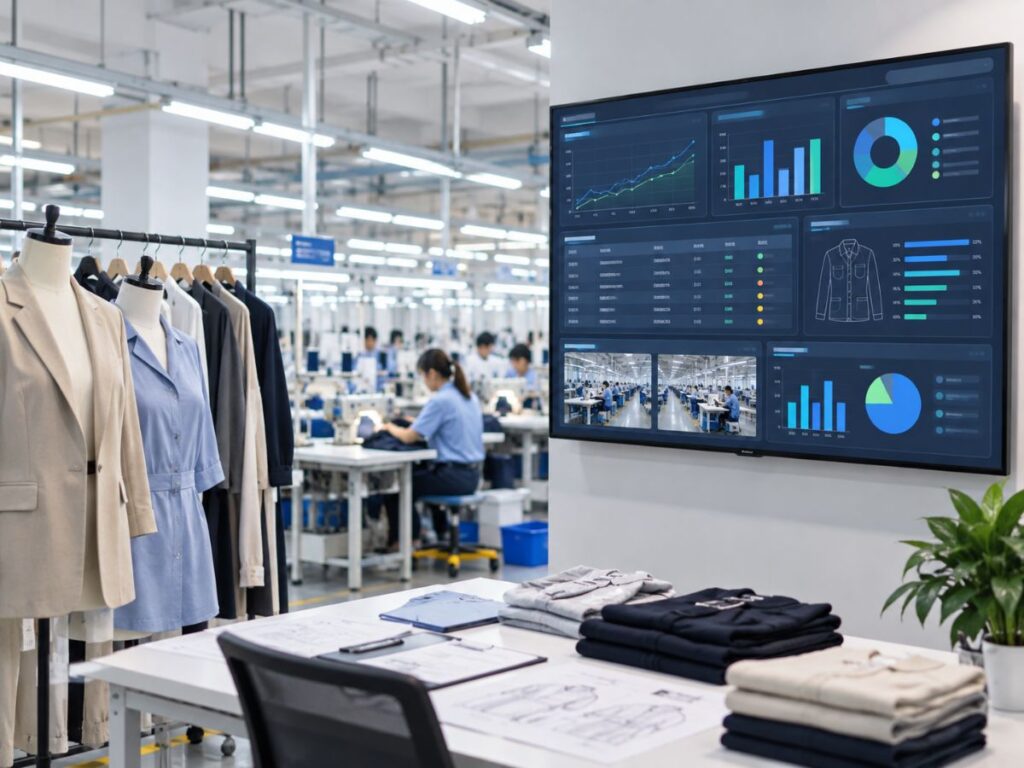
EXC-MES integrates real-time production, quality, RFID, and ERP data to improve shop floor visibility and manufacturing cost management.

Challenges
Fragmented systems and paper-based processes limited visibility into defect rates and work-hour data, making timely production and quality monitoring difficult.
Solution
- Automatically captures real-time production data and standardizes defect recording and handling.
- Integrates RFID and work-hour data with ERP to automate manufacturing cost calculations.
Benefits
- Improves visibility into defect rates and abnormalities to accelerate quality improvement.
- Reduces manual data consolidation and reconciliation, allowing personnel to focus on higher-value work.
CASE 03
EXC-MES × Equipment Connectivity | Improving Quality and Energy Management
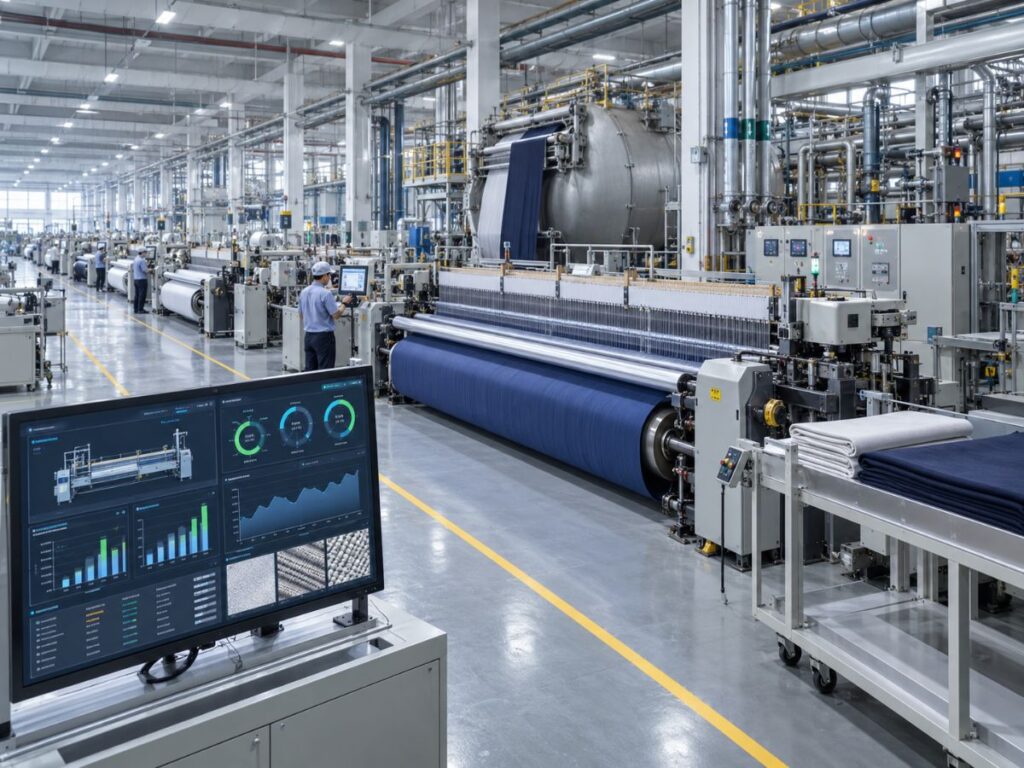
EXC-MES integrates manufacturing and IIoT equipment data for real-time monitoring of process parameters, energy use, and shop floor performance.
Solution
- Captures equipment status and process parameters in real time for quality analysis and exception tracking.
- Monitors electricity, water, and gas use with thresholds and real-time alerts.
- Integrates MES and shop floor data to visualize key operational indicators.
Benefits

88%
Automated Operation Efficiency

9%
Increase in OEE
Textile MES FAQs 
Q1: Why Choose EXC-MES for Textile Manufacturing?
A: EXC-MES improves WIP and work order visibility, strengthens quality traceability, and flexibly integrates with ERP, WMS, and equipment systems.
Q2: How Does EXC-MES Integrate with ERP and WMS?
A: EXC-MES can integrate with ERP and WMS through APIs or database interfaces, connecting work orders, inventory, WIP, and quality data while maintaining data consistency across systems.
Q3: Where Should MES Implementation Start?
A: Start with core applications such as WIP and work order visibility, then expand to quality, equipment, and system integration based on actual needs.
RELATED INSIGHTS

How AI Enhances MES and Smart Manufacturing
AI can combine MES with real-time manufacturing data for anomaly analysis, predictive maintenance, and production decision-making, helping manufacturers move from data visualization toward data-driven operations. This video presents highlights from a Chinese-language webinar on AI in MES digital transformation.