



Blog-AI & Digital Transformation
From Vibe Coding to AI-Assisted Development
Vibe Coding enables developers to work with AI through natural language to generate, modify, and validate code. This article explores how Vibe Coding works, where it is most useful, the potential risks, and how AI is reshaping software development workflows and the role of developers.
Blog-Opinion
5 Key Factors for a Successful MES Implementation
Successful MES implementation depends on more than system capabilities. It also requires clear objectives, cross-functional collaboration, data quality, and effective requirement management. This article highlights five key factors to help MES become part of daily operations and deliver lasting manufacturing value.


Blog-Opinion
How Smart Warehouse Automation Improves Performance
Smart warehouse automation connects AGVs/AMRs and automated equipment with WMS and PLCs to streamline handling, equipment execution and inventory updates. This article explains how integrated automation improves logistics efficiency, inventory accuracy, safety and scalability.
Blog-Opinion
4 Stages of MES Implementation for Smart Manufacturing
Many factories have introduced automation equipment, yet still rely on paper records and manual reporting. This article explains how MES implementation helps manufacturers improve data visibility, standardize shop floor processes, and move toward smart manufacturing.


Blog-Tech
OpenUSD for Digital Twins: Solving Cross-Software Integration Challenges
Digital twins require more than 3D visualization. This article explores how OpenUSD helps integrate engineering, equipment, and factory data to support collaborative virtual factories.
Blog-Tech
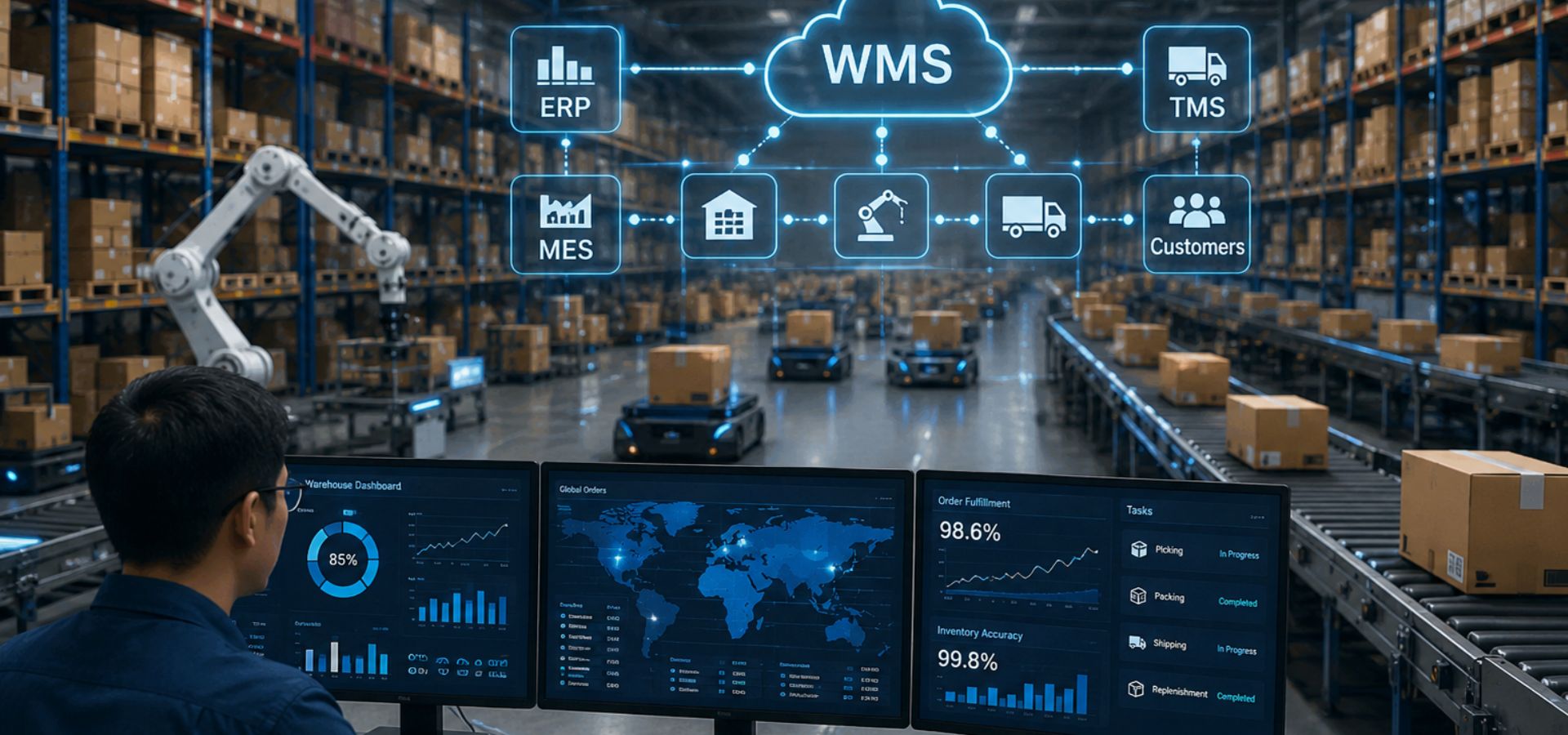
Modern WMS for Digital Supply Chain Management
Explore how modern WMS connects warehouse operations with digital supply chains.

Blog-Tech
AI-Powered WMS for Smart Warehouse Transformation
Discover how AI and modern WMS enhance efficiency and support smarter decisions.
Blog-Tech
From Automation to Autonomy: How AI Agents Are Reshaping Smart Manufacturing
With the evolution of large language models (LLMs), artificial intelligence has moved beyond the stage of “only being able to talk” and entered a new era of actionability. In the context of digital transformation in manufacturing, traditional rule-based systems are gradually struggling to cope with fragmented orders and increasingly dynamic supply chain environments.


Blog-Opinion
Smart Manufacturing Roadmap: From Digital Transformation Planning to System Implementation
Smart manufacturing is not achieved by implementing one system alone. This article explains how manufacturers can build a digital transformation roadmap and phase in MES, WMS, AGV/AMR, IIoT, data platforms, and AI applications to create a scalable smart factory foundation.
Blog-Insights
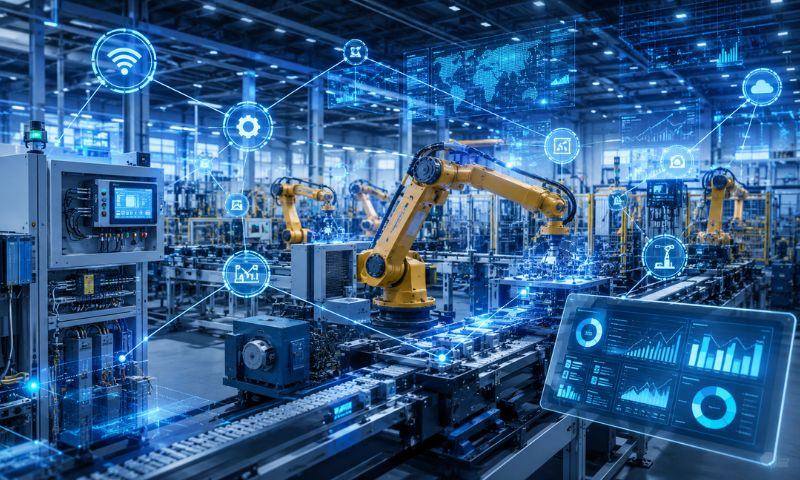
From IIoT Connectivity to Smart Factory
A smart factory does not start with AI. It begins with reliable equipment data and production context. Explore five practical steps—from IIoT connectivity and data standardization to MES integration, real-time visibility, analytics, and advanced automation.

Blog-Tech
Quality Control in Quality Management Systems
Quality control is the most crucial aspect that cannot be overlooked in the manufacturing industry. Regardless of the advanced processes or the unique management techniques adopted, the ultimate key to gaining everlasting consumer favor lies in maintaining excellent product quality.
Blog-Opinion
Evaluation of Automated Material Handling Solutions
Are you evaluating an automated material handling solution? Perhaps you can start by considering the 8 key points and 4 perspectives provided by our experienced consultant.


Blog-Opinion
Blind spots easily encountered when implementing MES
In this article, a senior professional manager is invited to share the blind spots and misconceptions that various companies are prone to when implementing MES, based on their experience in implementing more than 20 MES projects.
Blog-Tech
Why does the manufacturing industry need smart manufacturing?
Through this article, we will explore the significance, challenges, and future development directions of smart manufacturing.


Blog-Tech
How to Achieve Lean Manufacturing through MES?
In this article, we will explore the relationship between MES and lean manufacturing, and the benefits of implementing lean manufacturing through MES.
Blog-Tech
WMS for Smart Warehouse Management
Learn how WMS improves inventory visibility, standardizes operations, and supports smarter logistics management.

Blog-Tech
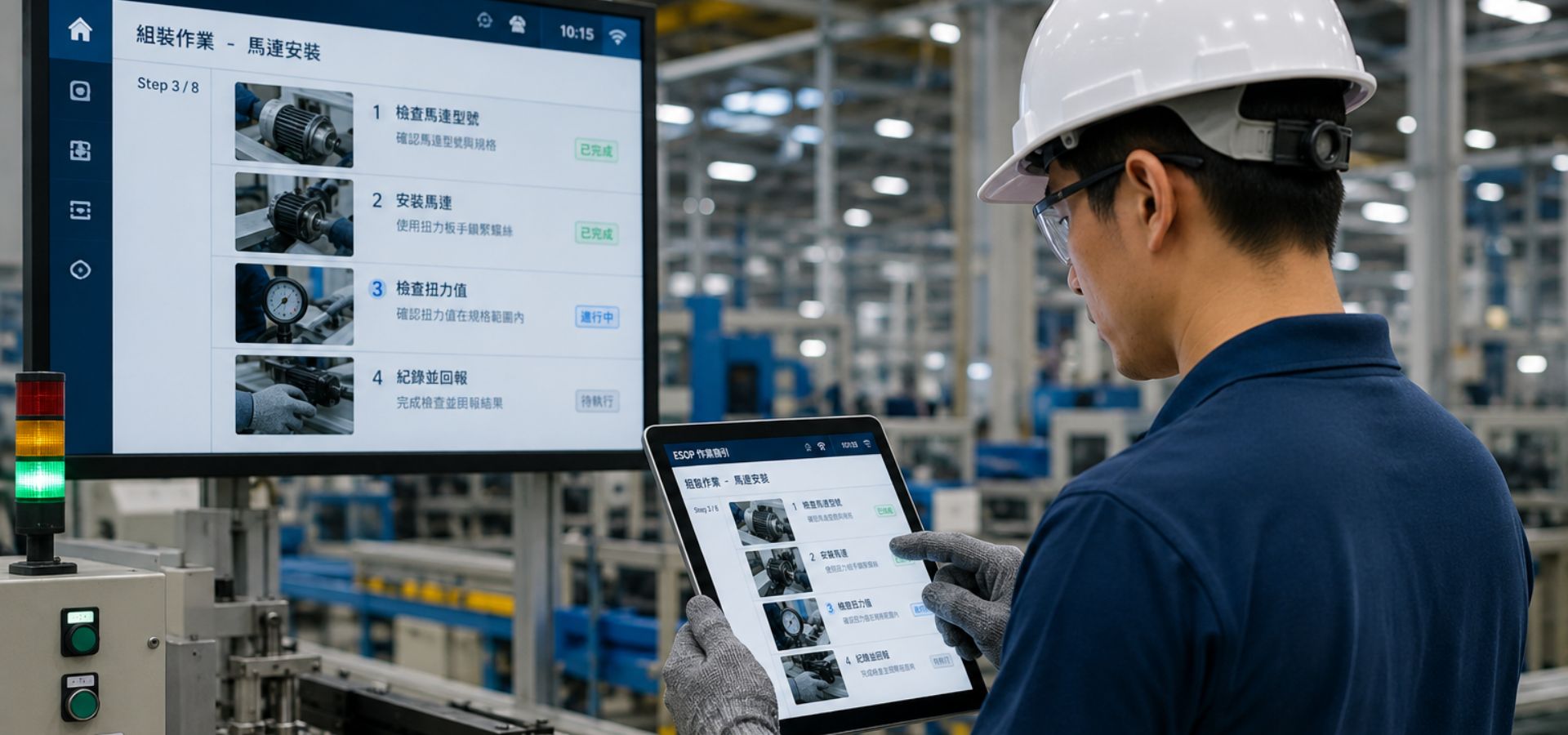
How ESOP Improves Shop Floor Consistency
By integrating electronic work instructions with MES and shop floor data, ESOP helps manufacturers reduce operational gaps, improve quality control, and standardize production processes.