


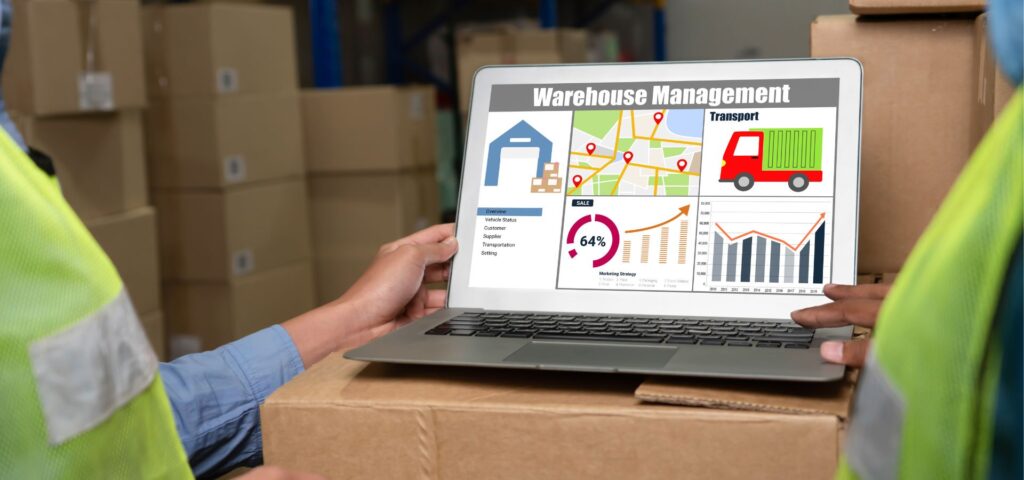
As supply chain volatility and real-time fulfillment demands continue to increase, warehouse management is evolving from a supporting function into a critical driver of operational efficiency and customer satisfaction. With rapid advancements in AI, data analytics, and automation technologies, modern WMS platforms are transforming into smarter, more agile warehouse management solutions.
New Challenges Facing Warehouse Management
In recent years, the rapid growth of e-commerce, increasing product variety, and ongoing labor shortages have created new challenges for traditional warehouse operations that rely heavily on manual experience. Beyond improving inventory accuracy and operational efficiency, companies are also expected to respond quickly to market changes and customer demands.
Against this backdrop, Warehouse Management Systems (WMS) are evolving beyond conventional operational tools into intelligent platforms that integrate data analytics, AI, and warehouse automation technologies.
From Process Control to Operational Optimization

Core Value of Modern WMS
The core value of modern WMS lies in enabling real-time and accurate management of inbound operations, storage allocation, inventory movement, picking, shipping, and distribution information. Through the integration of barcode systems, RFID, and mobile devices, companies can significantly improve inventory accuracy and operational visibility.
Data-Driven Operational Optimization
Modern WMS platforms also leverage historical data analysis to optimize storage allocation and picking routes while reducing operational workload. Managers can gain real-time visibility into warehouse conditions and key performance indicators, enabling faster and more informed decision-making based on live operational data rather than retrospective reports.
WMS Helps Businesses:
- Improve inventory accuracy
- Enhance operational visibility
- Optimize picking routes
- Monitor warehouse operations in real time
- Reduce manual errors
Optimizing Workforce Structure to Build High-Value Talent
Rather than viewing automation simply as a way to “reduce labor,” companies should focus on optimizing the overall workforce structure. By introducing WMS and standardizing operational processes, businesses can reduce dependence on repetitive, low-value-added manual tasks and better control labor costs.
Long-Term Benefits of Workforce Upskilling
At the same time, employees who previously relied on manual handling and experience-based judgment can be retrained to operate systems, analyze data, and manage equipment. As workforce capabilities improve, operational accuracy increases, organizational turnover decreases, and companies can build a more stable talent structure with stronger technical capabilities. This shift toward workforce upskilling not only improves efficiency but also creates a long-term competitive advantage.

AI-Driven Smart Warehouse Management
AI-Assisted Decision-Making and Anomaly Analysis
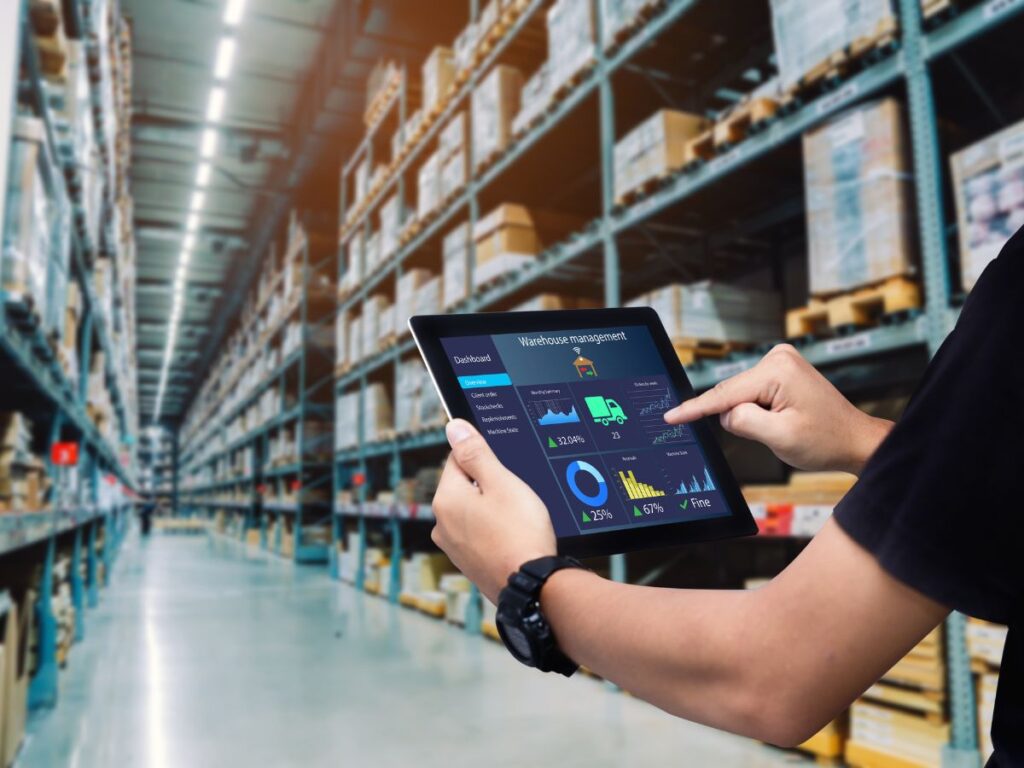
As AI technologies continue to evolve, the application scope of WMS is rapidly expanding. Through generative AI and natural language processing technologies, managers can directly analyze warehouse conditions, identify operational anomalies, and accelerate decision-making and response times.
Smart Replenishment and Quality Control
AI algorithms can also analyze historical shipment data and real-time order fluctuations to automatically optimize replenishment priorities and inventory allocation strategies, improving overall warehouse efficiency. Combined with image recognition technologies, AI-enabled WMS can further support automated quantity verification and quality inspection during outbound operations, enhancing both accuracy and quality control.
From Real-Time Management to Predictive Operations
Warehouse Automation Integration
When integrated with warehouse automation technologies, WMS can create a highly coordinated operational environment. Conveyor systems, Autonomous Mobile Robots (AMR), and sorting equipment can work together through centralized task coordination, reducing manual intervention and improving operational efficiency.
Data-Driven Predictive Management
In addition, companies can build digital warehouse models based on operational data and equipment conditions to simulate inventory allocation and workflow scenarios. This predictive management approach helps identify potential bottlenecks and maintenance requirements in advance, enabling better resource planning, improved operational stability, and lower operational costs.

Why Modern WMS Requires a More Flexible System Architecture
Flexible WMS with Microservices
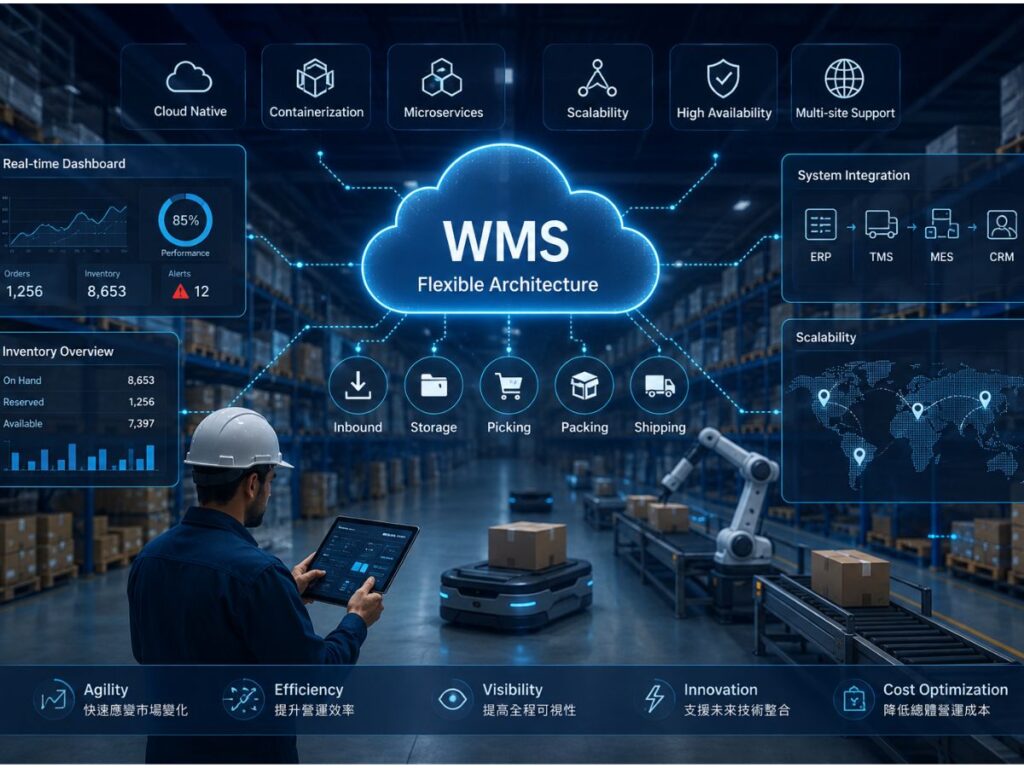
Modern WMS platforms are increasingly adopting microservices architecture, enabling functions such as inbound management, picking, and inventory calculation to operate as independent service modules. This modular approach allows each service to be developed, deployed, and upgraded independently, reducing system upgrade risks while improving scalability and operational flexibility. Compared with traditional monolithic systems, microservices architecture can better adapt to changing business demands and resource requirements.
Containerized Deployment for Rapid Scalability
At the same time, containerization technologies help establish standardized runtime environments, allowing WMS to be deployed quickly across different infrastructure environments. This approach shortens deployment and testing cycles while supporting multi-site operations and cross-regional scalability. It also provides a more stable and scalable technical foundation for future AI integration and warehouse automation initiatives.
The Next Step Toward Smart Warehouse Management
AI, data analytics, and warehouse automation technologies are rapidly reshaping modern warehouse operations. As companies pursue higher inventory accuracy, operational efficiency, and supply chain visibility, adopting a smarter and more flexible WMS is becoming a key foundation for digital transformation.
Solutions such as Excellent WMS (EXC-WMS) help businesses integrate warehouse operations, inventory management, and automation systems to build smarter and more agile warehouse environments.